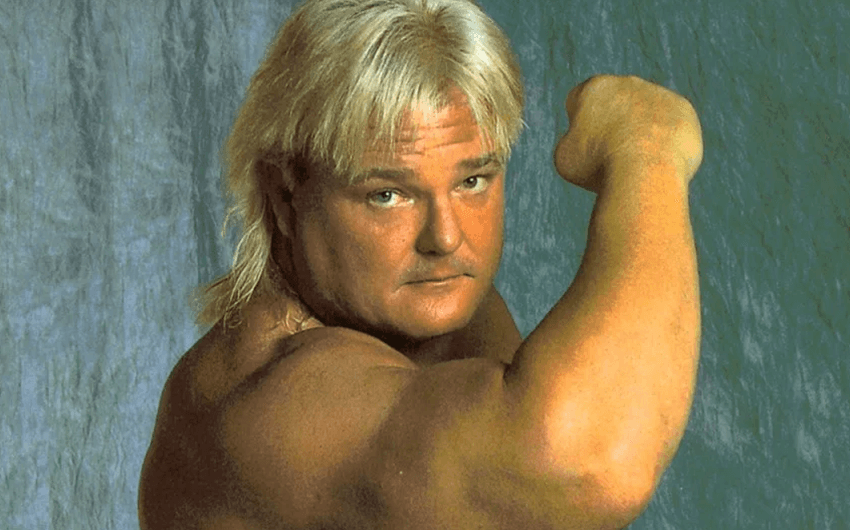
Greg Valentine Career Story: The Hammer’s Titles, Rivalries, and Wrestling Legacy
Greg Valentine is one of those wrestling names that keeps resurfacing because his work was everywhere for years, yet he never needed constant hype to feel important. He built a reputation on rugged matches, stubborn toughness, and a style that made every rivalry look personal. If you’re trying to understand why fans still talk about him, it comes down to one thing: he made pro wrestling feel like a fight you couldn’t fake.
Who Greg Valentine Is in Wrestling History
Greg Valentine is best known as “The Hammer,” a veteran professional wrestler whose career stretched across multiple decades and major promotions. He wasn’t presented as a flashy superhero. He was the opposite: a hard-edged, technical brawler who looked like he’d happily win a match by surviving it longer than you could.
In an era full of big personalities and wild gimmicks, Valentine stood out by feeling real. He worked like a man with a job to do and a grudge to settle. That authenticity made him valuable to promoters because he could be trusted in almost any role: champion, challenger, tag specialist, or the guy who made your rising star look tough.
Early Life and the Roots of “The Hammer”
Greg Valentine was born into a wrestling lineage, which mattered in a time when the business still relied heavily on family connections and regional trust. His father was Johnny Valentine, a respected wrestler known for intensity and legitimacy. That heritage shaped Greg’s identity early: he didn’t come in trying to be cute or charming. He came in to be credible.
That credibility became his brand. The nickname “The Hammer” fit because it suggested repetition and damage—like a tool that doesn’t need creativity to be effective. It just needs time and pressure.
The In-Ring Style That Made Him Different
Greg Valentine’s style was built around three things: pressure, punishment, and patience. He wasn’t the fastest wrestler in the ring, but he didn’t need to be. He leaned into a methodical pace that forced opponents to grind, sell, and struggle.
Key traits of his style included:
- Technical control: He could wrestle hold-for-hold when needed, especially against skilled opponents.
- Physical brawling: He didn’t mind turning a match into a rough fight, especially when the storyline called for it.
- Body-part focus: He often worked an opponent’s leg or back like it was a project, not a moment.
- Believable aggression: His offense looked mean, not theatrical.
That approach created a specific kind of match: not a sprint, but a pressure cooker. Fans might not remember every move, but they remember the feeling—like the opponent was trapped in something unpleasant and had to claw their way out.
Why He Was Trusted as a Champion
In professional wrestling, championships aren’t only about popularity. They’re also about reliability. Promoters want champions who can deliver strong matches, protect the credibility of the belt, and make challengers look like they earned their shot.
Greg Valentine fit that mold. His persona made championships feel serious. He didn’t look like he was carrying a prop. He looked like he’d fight you for it in a parking lot.
He held major titles during his career, including high-profile singles championships and tag team championships. Even when he wasn’t champion, he often wrestled like someone who belonged near the top, which made the division feel stronger.
The Rivalries That Defined His Reputation
Valentine’s career is remembered through rivalries because he excelled at making feuds feel personal. He didn’t rely on exaggerated comedy. He relied on resentment. When he played the villain, it didn’t feel like a performance—it felt like a bad attitude with muscle behind it.
One of the clearest examples of his lasting impact is how fans still talk about his major opponents. Valentine often served as the “gatekeeper” of credibility: if you survived him, you felt legitimate. If you beat him, it felt earned.
Feuds That Showcased His Strength
- Blood-and-guts rivalries: Valentine thrived in intense storylines where the goal wasn’t just winning—it was hurting the other guy.
- Technical showdowns: Against strong workers, he could slow things down and make the match feel like strategy.
- Long-form grudges: He was perfect for rivalries that stretched over months because he could keep the heat consistent.
Even fans who weren’t “Valentine fans” often admit he made others look better. That’s one of the highest compliments in wrestling: not that you stole the spotlight, but that you improved everyone’s spotlight.
Tag Team Success and Why It Worked
Although Greg Valentine is often discussed as a singles wrestler, his tag team work mattered too. Tag wrestling can hide weaknesses and amplify strengths, and in Valentine’s case it amplified his strongest qualities: timing, toughness, and nastiness.
He was the ideal tag partner for storylines that needed:
- a tough enforcer type
- a veteran who could carry structure in a match
- a heel team that felt dangerous instead of goofy
Tag matches also allowed him to shine without needing to be the fastest or flashiest athlete in the ring. He could do what he did best: punish, control, and make the crowd want to see someone finally shut him up.
Character Work: The Art of Being Unlikable (On Purpose)
Greg Valentine’s personality on-screen was rarely warm. That was the point. He specialized in a kind of heel work that didn’t depend on catchphrases or clowning. He was the guy who looked like he enjoyed being cruel.
What made him effective is that he didn’t act like a cartoon villain. He acted like a stubborn bully with experience. That meant fans didn’t just dislike him—they wanted someone to beat him.
Great villains do two things:
- They make you emotionally invest in the hero.
- They make the hero’s victory feel satisfying.
Valentine consistently delivered both, which is why he remained valuable even as wrestling styles and television tastes changed.
How His Career Fit Different Eras of Wrestling
One reason Greg Valentine is hard to summarize is that he worked through multiple eras, when wrestling shifted from regional territory systems to national TV dominance and then into more entertainment-heavy styles.
In each era, Valentine adapted by sticking to his core identity:
- In more “sport-like” environments, he leaned into technical credibility.
- In more “entertainment-first” environments, he leaned into character heat and simple, painful storytelling.
- When the business got flashier, he became the grounded contrast: the guy who kept it rough.
That adaptability kept him relevant longer than many wrestlers whose success depended on one exact trend.
Injuries, Wear-and-Tear, and the Reality of Longevity
Wrestling longevity comes with a price. A career like Valentine’s wasn’t built in an era where everyone had the same modern training, recovery tools, and medical support. The physical style he worked—especially the grind-it-out approach—often means the body pays for it later.
That’s part of why veteran wrestlers like Valentine earn respect even from fans who prefer faster styles: they did it the hard way, for a long time, and they helped carry the business through years when the schedule could be punishing.
Why Fans Still Talk About Greg Valentine
Some wrestlers are remembered for one iconic moment. Greg Valentine is remembered for a feeling: the sense that he was dangerous, stubborn, and difficult to beat. His matches weren’t always designed to be pretty—they were designed to be believable.
Fans still revisit him because:
- He represents a tough, old-school approach that feels rare today.
- He was consistently credible, which made championships and rivalries matter.
- He helped shape other stars by giving them opponents who forced them to fight for their wins.
- He had a style that aged well because it relied on psychology more than athletic tricks.
When people say a wrestler “made it feel real,” that’s often the highest praise. Valentine earned that praise repeatedly.
Legacy: Where He Fits in the Bigger Wrestling Picture
Greg Valentine’s legacy isn’t about being the loudest name. It’s about being one of the most dependable names. Wrestling history is full of superstars, but superstars need opponents. They need credible villains. They need veterans who can hold a match together, keep the story clean, and make the audience care.
Valentine was that guy—over and over again.
He’s also a reminder of something modern fans sometimes forget: wrestling isn’t only about highlights. It’s about pacing, tension, and payoff. Valentine built his career on that foundation. He could slow a match down and still keep it gripping because he understood how to make pain and frustration feel like drama.
The Bottom Line
Greg Valentine remains a memorable figure because he embodied a specific kind of professional wrestler: rugged, methodical, credible, and mean in a way that felt authentic. He won major titles, anchored major rivalries, and helped define what a tough heel looked like for a generation of fans. Whether you loved him, hated him, or respected him from a distance, he did the one thing that keeps a wrestler alive in history: he made you feel something—and he made it last.
image source: https://www.yahoo.com/entertainment/greg-valentine-discusses-biggest-paydays-201717709.html