Chester Bennington Biography: Linkin Park’s Voice, Pain, and Legacy That Endures Today
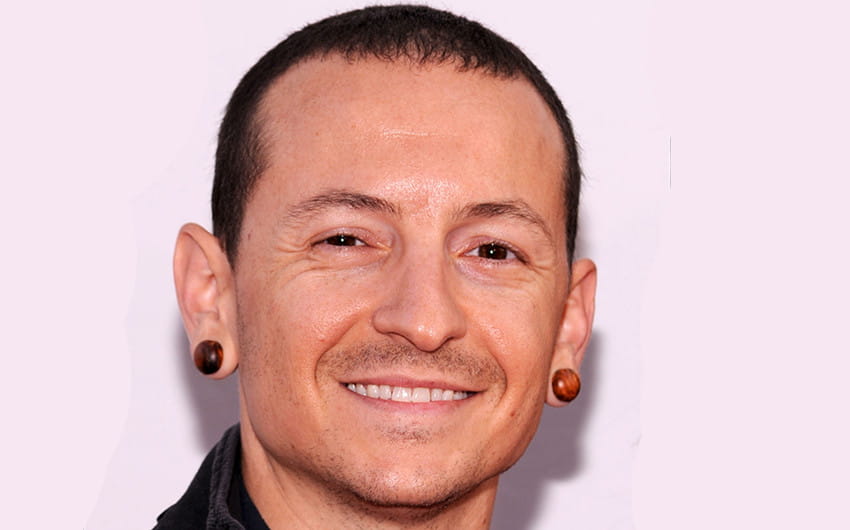
Chester Bennington’s story is one of raw talent, hard battles, and a voice that helped millions feel less alone. If you’ve ever wondered why his music still hits so deeply years later, it’s because he didn’t just sing lyrics—he lived the emotion inside them. This Chester Bennington biography covers the key facts about his life, his rise with Linkin Park, the struggles he spoke about openly, and the lasting impact he left behind.
Basic Facts About Chester Bennington
- Full name: Chester Charles Bennington
- Born: March 20, 1976 (Phoenix, Arizona, USA)
- Died: July 20, 2017 (Palos Verdes Estates, California, USA)
- Age at death: 41
- Height: About 5 ft 10 in (178 cm)
- Occupation: Singer, songwriter
- Best known for: Lead vocalist of Linkin Park
- Other notable bands/projects: Dead by Sunrise, Stone Temple Pilots (as lead singer for a period)
- Spouses: Samantha Marie Olit (divorced), Talinda Ann Bentley (married 2006–2017)
- Children: Six (including son Draven and son Tyler; he also had twins, Lily and Lila)
- Estimated net worth: Often reported in the $25–$30 million range (public estimates vary)
Who Chester Bennington Was Beyond the Spotlight
To many fans, Chester Bennington was the voice of a generation. His singing could shift from a soft, wounded whisper to a full-throated scream that felt like a storm breaking open. But behind that voice was a person who carried a complicated mix of humor, sensitivity, and survival instinct. Friends and bandmates often described him as funny and warm, yet it was clear he also carried pain that didn’t always have an easy place to go.
What made Chester unique wasn’t only his vocal range—it was his honesty. Even when he didn’t spell out every detail, listeners could tell the emotion was real. That authenticity is why people still connect to him. He didn’t perform feelings like a costume. He sounded like someone trying to make sense of them in real time.
Early Life in Arizona and the Roots of His Toughness
Chester was born and raised in Phoenix, Arizona. His early life included instability and difficult experiences that shaped him long before fame arrived. As a kid, he was drawn to music and performance, but he also dealt with problems that many people don’t talk about openly until much later—if they talk about them at all.
Those early years mattered because they helped form the emotional engine behind his art. People sometimes assume musicians “invent” heartbreak for songs. In Chester’s case, much of the darkness in his lyrics and delivery came from real memories and real struggles. That doesn’t mean his life was only sadness, but it does mean his emotional vocabulary ran deep. When he sang about feeling trapped, broken, or unheard, it wasn’t abstract poetry. It was a feeling he understood.
As he grew older, music became both an outlet and a goal. It gave him something to chase, something to build, and something that made the future feel possible. He wasn’t born into an easy path. He had to fight for it.
Finding His Place in Music Before Linkin Park
Before the world knew his name, Chester worked through the normal grind that most artists face: small opportunities, uncertain money, and constant pressure to prove himself. He sang in earlier bands and developed his stage presence in the kind of rooms where you learn quickly whether you can hold attention.
This period is easy to skip in a quick summary of his life, but it’s important. Chester’s later success didn’t happen because someone handed him a perfect career. He built his skills through repetition. He learned how to project, how to control his breathing, how to hit notes while moving, and how to turn a song into a moment people remember.
He also developed the intense, emotional singing style that became his signature. That sound didn’t come from nowhere. It was shaped by listening, practicing, and pushing his voice to do things most singers never dare to attempt.
Joining Linkin Park and the Start of a Global Explosion
Chester’s life changed forever when he joined the band that would become Linkin Park. The group’s sound blended heavy guitars, hip-hop energy, electronic textures, and deeply emotional lyrics. It was a mix that didn’t neatly fit into one box, and that was the point. They didn’t sound like everyone else, and they weren’t trying to.
Chester’s voice became the emotional centerpiece. He could deliver the ache, the rage, and the release inside the songs with a kind of intensity that felt almost physical. When fans first heard that combination of Mike Shinoda’s rap verses and Chester’s melodic hooks and screams, it sounded like a new language for frustration and survival.
The band’s breakthrough wasn’t just big—it was massive. Their early success turned into worldwide fame, sold-out tours, and a level of cultural impact that’s hard to overstate. For many listeners, Linkin Park wasn’t just a band they liked. It was the soundtrack to their teenage years, their heartbreak, their anger, and their healing.
Why His Voice Felt Like Therapy to So Many People
Chester Bennington didn’t sing like someone showing off technique. He sang like someone trying to get something out of his chest. That’s why fans often describe Linkin Park songs as “saving” them. The music gave people permission to admit they were struggling. It made them feel seen.
His voice carried two things at once: control and chaos. He could sound beautifully steady in one line, then completely unravel in the next—and somehow it still felt musical. That contrast mirrored real emotions. People don’t experience pain in one clean, simple way. It comes in waves. Chester sang like someone riding those waves.
He also had a gift for clarity. Even in heavy production, his voice cut through. Even in loud choruses, the emotion stayed readable. That’s not just talent; it’s instinct. He knew how to communicate, not just how to sing.
Songwriting Themes: Pain, Anger, Shame, and the Need to Be Heard
Many of Linkin Park’s most beloved songs explore feelings people often hide: self-doubt, resentment, regret, isolation, and exhaustion. Chester’s delivery made those themes land. He didn’t treat them like dramatic performance. He treated them like personal truth.
Over time, the band’s music evolved and experimented with new sounds, but the emotional core stayed consistent. Linkin Park could shift styles and still feel like Linkin Park because the honesty remained. Chester’s role in that was huge. He could adapt to softer, more melodic material without losing intensity. Even when he wasn’t screaming, you could still feel urgency in his voice.
This is also why his work holds up years later. Trends change, but real emotion doesn’t expire.
Other Projects: Proving He Was More Than One Lane
Chester didn’t limit himself to one identity. He explored other projects, including Dead by Sunrise, which leaned into a darker rock sound and gave him a different kind of creative space. He also took on a high-profile role as the lead singer of Stone Temple Pilots for a period, stepping into a legacy band with a passionate fan base and heavy expectations.
Those choices showed confidence. It’s not easy to join a group with an established history, and it’s not easy to balance side projects while being a global star in your main band. Chester did it because he loved music and because he constantly needed creative motion. He wasn’t built to sit still.
Family Life: Marriage, Fatherhood, and Responsibility
Chester’s family life was a major part of who he was. He was married more than once and became a father to six children. Over the years, he spoke about how much being a dad meant to him. Fatherhood didn’t erase his struggles, but it gave him a reason to keep fighting through them.
His marriage to Talinda Bennington became an important part of his later public story, especially after his death, when she spoke about mental health and the reality of depression in a way that helped many families feel less alone. Chester’s loved ones have often emphasized that a person can be deeply loved and still be in danger from their own inner battles. That message remains painful, but it’s also important.
It’s also worth noting that Chester had a public image that didn’t always match private reality. On stage, he looked fearless. In interviews, he could be funny and light. But people are complex. Strength and suffering can exist in the same person at the same time.
Mental Health, Addiction, and the Parts He Didn’t Hide
One of the most significant things about Chester Bennington’s legacy is that he spoke openly about mental health and addiction. He didn’t present himself as “fixed.” He talked about the ongoing nature of these struggles, which helped break the false idea that fame or success automatically heals pain.
That honesty mattered because it challenged stigma. It reminded people that depression isn’t always visible and that recovery isn’t always a straight line. Chester’s openness encouraged fans to talk about their own mental health, seek support, and take their feelings seriously.
At the same time, his story is a heartbreaking reminder that awareness alone doesn’t guarantee safety. People can have support and still feel trapped. That truth is difficult, but it’s part of what makes his story so human—and why it continues to resonate.
Net Worth and How Chester Bennington Built Long-Term Success
Chester Bennington’s estimated net worth is commonly reported in the $25–$30 million range, though public estimates vary and can’t capture every detail of private finances. Still, it’s clear how he built wealth: decades of global touring, hit albums, merchandise, licensing, and the kind of long-term catalog value that continues even after an artist’s death.
Linkin Park’s music has remained widely streamed and purchased, and that continued demand reflects just how large their audience still is. Chester’s voice remains a major part of that value. In entertainment, legacy isn’t only emotional—it can also be financial, because great work keeps finding new listeners.
Death in 2017 and the Shock That Followed
Chester Bennington died on July 20, 2017, at age 41. The news stunned fans around the world, not just because he was famous, but because his music had become deeply personal to so many people. For listeners who leaned on Linkin Park during their hardest moments, losing Chester felt like losing someone who understood them.
His death sparked waves of grief, tribute concerts, charity support, and renewed conversations about mental health. Many people who had never talked about depression before started talking about it because the loss made it impossible to ignore. That doesn’t make the tragedy “meaningful” in a comforting way, but it did push important discussions into the open.
Legacy: Why Chester Bennington Still Matters
Chester Bennington’s legacy isn’t limited to awards, chart positions, or arena crowds. His true legacy lives in the way people still react to his voice. It lives in the comments under songs where listeners admit what they were going through when they first heard them. It lives in the way Linkin Park remains a bridge between rock and hip-hop, and in how their honesty influenced countless artists who came after.
He also left behind an example of emotional courage in art. Chester showed that you can be masculine without being cold, strong without being silent, and powerful without pretending you’re never hurting. He made vulnerability sound like something you could survive.
Chester Bennington will be remembered as a singular voice—one that turned pain into music, and music into a lifeline for millions.
image source: https://www.nme.com/blogs/nme-blogs/chester-bennington-obituary-1976-2017-2113700