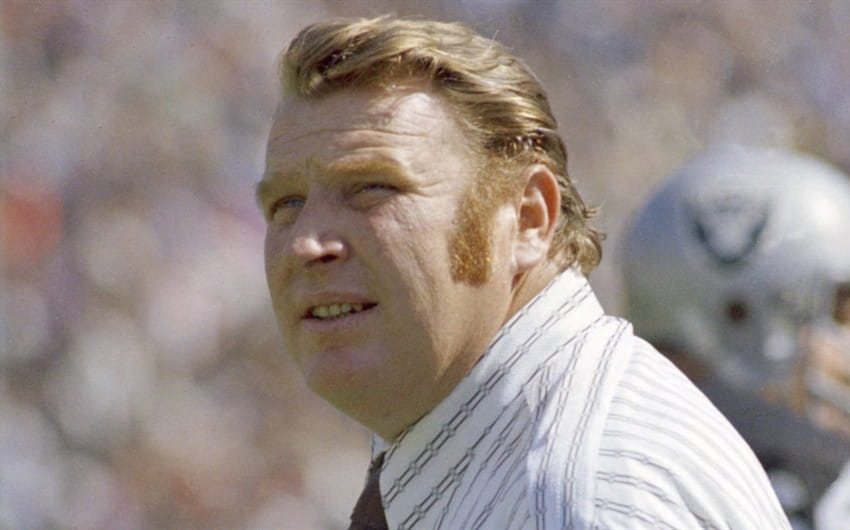
John Madden Biography: How a Football Coach Became America’s Most Trusted Broadcaster
This John Madden biography is the story of a larger-than-life football mind who became famous in three different worlds: coaching, broadcasting, and pop culture. People still ask how one man could be both a Super Bowl-winning coach and the most recognizable voice in the sport. The answer comes down to rare intelligence, even rarer communication skills, and a personality that made fans feel like they were watching the game with a friend.
Basic Facts About John Madden
- Full name: John Earl Madden
- Born: April 10, 1936 (Austin, Minnesota, USA)
- Died: December 28, 2021 (Pleasanton, California, USA)
- Age at death: 85
- Height: Commonly listed around 6 ft 4 in (193 cm)
- Occupation: Football coach, TV broadcaster, author, sports personality
- Best known for: Coaching the Oakland Raiders, legendary NFL commentary, and the Madden NFL video game series
- Spouse: Virginia Fields (married 1959)
- Children: Two sons, Joseph and Michael
- Estimated net worth: Often reported in the $150–$250 million range (public estimates vary)
Early Life: From Minnesota Roots to a Football Obsession
John Madden was born in Austin, Minnesota, but he grew up mostly in California. Even as a young man, he had that classic football mix of toughness and curiosity. He loved the game, but he also loved the “why” behind it—why a play worked, why a defense broke down, and why certain teams stayed calm under pressure.
That combination of passion and analysis would become the theme of his entire career. Madden was never just a guy who liked football. He was someone who studied it. He wanted to understand every moving part, from blocking angles to momentum shifts to the psychology of players who were exhausted and still expected to execute perfectly.
Playing Career and the Injury That Changed Everything
Madden played college football, but his path as a player didn’t last long. A serious knee injury ended his on-field dream early, and for many people, that would have felt like the end of the story. For Madden, it became the beginning of the real story.
When you can’t play, you either walk away or you lean in harder from a different angle. Madden leaned in. He shifted his focus toward coaching and teaching, and that pivot ended up shaping the rest of the NFL. The injury didn’t erase his future in football—it redirected it toward the place where his mind mattered most.
Becoming a Coach: Learning the Game From the Ground Up
Madden worked his way through coaching jobs and built a reputation as someone who could teach. That mattered because coaching isn’t only strategy. It’s communication. A coach has to take something complex and make it simple enough for players to execute at full speed while 70,000 people are screaming.
Even before he became famous, Madden had a gift for explaining football in a way that clicked. Players responded to him because he was direct and energetic. He could be demanding without being fake. He could push people without making them feel small. That kind of leadership is hard to find.
The Oakland Raiders Years: A Coach Who Built a Monster
John Madden is forever linked to the Oakland Raiders. He became head coach at a young age, and what followed was one of the greatest coaching stretches in NFL history. Under Madden, the Raiders became a powerhouse—tough, talented, fearless, and often intimidating.
His teams weren’t just good. They were consistent. That’s what separates great coaching from a lucky season. The Raiders won at a high level year after year, and Madden’s regular-season record remains one of the best ever among long-term NFL head coaches.
What made the Raiders special during that era was their balance. They could beat you with power running, tough defense, and explosive passing. They had personality, too. The Raiders weren’t trying to be polite. They were trying to win. Madden fit them perfectly because he was intense, competitive, and loyal to his players.
Super Bowl Glory
The peak of Madden’s coaching career came with a Super Bowl win. That championship mattered because it cemented him as more than a “great regular-season coach.” It put him in the small group of coaches who reached the top and finished the job. For Raiders fans, that era became a gold standard, and Madden became a symbol of what the franchise could be at its best.
Why He Left Coaching Earlier Than Most
One of the surprising parts of John Madden’s story is that he didn’t coach forever. Many coaches stay on the sideline into old age, but Madden stepped away earlier than people expected. The reasons were personal and practical, including health and the constant stress of the job.
Coaching at that level is relentless. It consumes your time, your body, and your mental space. Madden gave the NFL everything he had during his coaching run, and when he left, he wasn’t running from the game. He was protecting himself. That decision turned out to be crucial, because it opened the door for his second legendary career.
Broadcasting Career: The Voice That Taught America Football
John Madden didn’t become a broadcaster and simply “talk about games.” He changed how football was explained on television. Before Madden, a lot of commentary felt formal and stiff. Madden brought excitement, humor, and real teaching.
He had a gift for making the complicated feel clear. He could look at a play and immediately explain what the viewer just saw, why it happened, and what the teams would adjust next. He wasn’t trying to sound fancy. He was trying to help you understand, and that’s why fans trusted him.
Madden also had a style that made every game feel bigger. His voice was energetic and emotional. If a play was great, he sounded like he couldn’t believe what he just saw. If a mistake happened, he broke it down without sounding cruel. He made fans feel like they were part of the action.
The Telestrator and the Art of Explanation
Madden became famous for using on-screen drawing tools to break down plays. He’d circle a blocker, mark a running lane, or point out a missed assignment. It wasn’t just entertainment—it was education. Millions of fans learned football fundamentals through Madden’s explanations, even if they never realized it.
In many ways, he helped create the modern football viewer: someone who understands concepts like protection schemes, coverages, and route combinations. He made the average fan smarter, and that’s part of why he became so respected.
The Madden NFL Video Game: A Legacy Bigger Than Television
For an entire generation, John Madden wasn’t just a broadcaster. He was a name on the most popular football video game ever made. The Madden NFL series became a cultural force, and it introduced football strategy to people who might not have learned it any other way.
Madden’s involvement wasn’t just a licensing deal. He insisted the game reflect real football. He wanted it to be authentic: real formations, real playbooks, and real decision-making. That insistence helped shape the game into something more than arcade fun. It became a football simulator, and it influenced how fans talked about the sport.
The “Madden Curse” became a pop culture joke, too, with fans blaming the cover athlete’s struggles on bad luck. Whether you believed in it or not, it showed how deep the game’s influence went. Madden wasn’t just connected to football Sundays—he was connected to everyday football life.
Personality: Why Fans Felt Like They Knew Him
John Madden’s personality was a big part of his impact. He was loud, enthusiastic, and unafraid to be himself. He didn’t talk like a polished corporate spokesperson. He talked like someone who loved the game and wanted you to love it too.
He also had warmth. Even when he criticized a play, it often sounded like coaching, not attacking. He respected players because he understood what the job demanded. That respect came through in his voice, and it helped build trust with both athletes and fans.
Madden was also known for his fear of flying later in life, which led him to travel by bus for many assignments. That detail became part of his legend because it matched his identity: practical, stubborn, and committed. If he had to take the long way, he would.
Family Life: The Private Side of a Public Icon
While Madden was famous, he kept a strong focus on family. He married Virginia Fields in 1959, and they stayed together for the rest of his life. They had two sons, and Madden often spoke about family with real pride.
That stability mattered because his public life was so intense. Coaching and broadcasting both demand constant attention, travel, and pressure. Family can be the one place where a person feels normal. For Madden, it seems like family helped keep his feet on the ground even while his career became enormous.
Net Worth: How John Madden Built Massive Long-Term Wealth
John Madden’s wealth came from multiple streams that lasted for decades. Coaching salaries helped early on, but broadcasting turned him into a top-tier sports personality. The biggest long-term money, though, likely came from the Madden NFL video game partnership, which created a brand that stayed valuable year after year.
Public estimates often place his net worth somewhere in the $150–$250 million range, with many reports clustering around the idea that he died worth roughly a couple hundred million dollars. The exact number is hard to confirm, but the bigger point is clear: Madden turned football knowledge into a lasting empire across media, entertainment, and licensing.
Death and the Outpouring of Respect
John Madden died on December 28, 2021, at age 85. The reaction across the sports world was immediate and emotional. Players, coaches, broadcasters, and fans all spoke about him not only as a legend, but as a teacher. That word came up again and again, and it fits.
Madden didn’t just watch football. He explained it, celebrated it, and made it feel important. For decades, his voice helped define what “big football” sounded like in America. When he passed, it felt like a chapter of the sport closed.
Legacy: Coach, Commentator, Cultural Icon
John Madden’s legacy is rare because it is stacked in layers. As a coach, he won at an elite level and helped define a franchise identity. As a broadcaster, he changed how the game was presented and understood. As a brand, he became a household name through a video game that taught football strategy to millions.
Most people are remembered for one great career. Madden had three. And what ties them together is something simple: he loved football, and he wanted others to understand it and enjoy it as much as he did. That love came through whether he was calling plays on the sideline, breaking down a replay on TV, or shaping how a video game represented the sport.
John Madden remains unforgettable because he didn’t just belong to football—he helped build the way modern fans experience it.
image source: https://www.nfl.com/news/john-madden-legendary-hall-of-fame-coach-dies-at-age-85