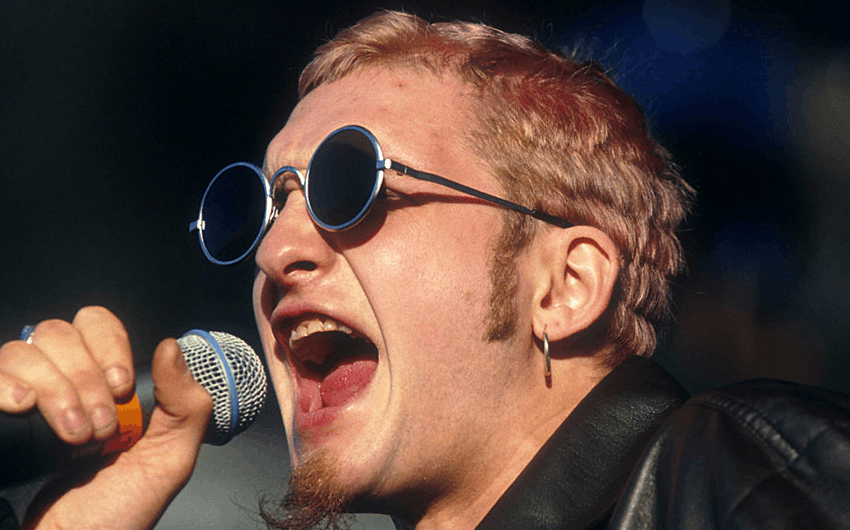
Layne Staley Biography: The Voice of Alice in Chains and Grunge’s Dark Heart
Layne Staley is remembered as one of the most haunting and powerful singers of the grunge era. If you’ve ever wondered why his voice still feels so personal and heavy years later, it’s because he sang like he meant every word—even when the truth behind those words hurt. This Layne Staley biography covers the basic facts, his rise with Alice in Chains, the music that defined a generation, and the struggles that shaped both his art and his life.
Basic Facts About Layne Staley
- Full name: Layne Thomas Staley
- Born: August 22, 1967 (Kirkland, Washington, USA)
- Died: April 5, 2002 (Seattle, Washington, USA)
- Age at death: 34
- Height: About 6 ft 1 in (185 cm)
- Occupation: Singer, songwriter
- Best known for: Lead vocalist and co-lyricist of Alice in Chains
- Other major project: Mad Season
- Relationship: Famously linked to Demri Parrott
- Spouse/children: Never married; no children
- Estimated net worth: Around $5 million (public estimates vary)
Why Layne Staley Still Matters
Some singers are technically great. Some are emotionally great. Layne Staley was both, and that combination is rare. He had a voice that could sound wounded, furious, sweet, and completely shattered—sometimes in the same chorus. He also had a gift for harmony that helped define Alice in Chains’ signature sound: two voices blended together in a way that felt both beautiful and unsettling.
But Layne’s importance goes beyond vocal ability. He represented a kind of honesty that many artists avoid. He didn’t dress pain up in pretty language just to make it easier to hear. He often went straight at it. That bravery is part of what made the music feel like a lifeline to fans who were dealing with their own darkness.
Early Life in Washington and the Roots of His Personality
Layne grew up in the Seattle-area world that later became famous for grunge, but his childhood was not a neat “future rock star” story. He had a complicated upbringing, and like many people who later pour themselves into art, he seemed to carry big feelings early. He was known for being funny and charismatic, but also sensitive and private.
Music became his outlet. He wasn’t the kind of person who only wanted attention—he wanted expression. As a teenager, he leaned into performance and started shaping a stage identity that would later become unforgettable: intense eyes, sharp delivery, and a voice that could cut through any room.
Before the world knew him as a grunge icon, he was simply a kid in Washington trying to find a place where he felt understood. That search is one of the invisible threads running through his story, and it shows up again and again in the lyrics he helped bring to life.
Early Bands and the Long Road Before Fame
Layne didn’t wake up one day and land in a legendary band. He went through the usual grind that most musicians face: small shows, early projects, and years of learning what worked and what didn’t. Those early bands helped him sharpen his stage skills and learn how to lead a room.
What stood out about Layne even then was his ability to make a song feel urgent. Some singers sound like they’re performing for the crowd. Layne often sounded like he was performing because he had to—like the song was a message he couldn’t keep inside. That energy made him memorable, and it’s one reason people who saw him early on tended to remember him for a long time.
These years also shaped his instincts as a frontman. He learned how to pace a set, how to grab attention without forcing it, and how to carry himself with a presence that made people look up from their drinks and actually pay attention.
Forming Alice in Chains and Finding the Sound
Alice in Chains became one of the defining bands of the 1990s, but they didn’t start as a finished product. Like many great groups, their identity formed over time. The chemistry between Layne Staley and guitarist Jerry Cantrell became the heart of the band’s sound. Layne’s voice brought the emotional heat, while Cantrell’s writing and guitar tone helped build the heavy, moody world the songs lived in.
What made Alice in Chains stand apart from other grunge bands was their darkness and weight. They weren’t just angsty. They were heavy—musically and emotionally. Layne fit that perfectly. He could sing a melody that sounded almost tender, then push it into a scream that felt like it came from somewhere deep and dangerous.
Then there were the harmonies. Alice in Chains didn’t use harmonies as decoration. They used them like a weapon. The layered vocals sounded ghostly and tight, like two thoughts battling in the same mind. That vocal style became one of their trademarks, and Layne’s ability to blend while still staying distinct is a huge part of why the band’s sound remains so recognizable.
Breakthrough Success and the Albums That Defined an Era
When Alice in Chains broke into the mainstream, it wasn’t because they softened their edge. They got noticed because they leaned into it. Their music carried a mood that felt honest to the time—heavy guitars, slow-burning tension, and lyrics that didn’t pretend life was easy.
Layne’s vocals helped turn these songs into something more than rock tracks. He made them feel like confessions. Even if you didn’t know the details of his personal life, you could hear that he meant what he was singing. That sense of truth is what separates songs people enjoy from songs people cling to.
Across their biggest releases, the band captured a specific kind of emotional pressure—depression, anger, self-hate, numbness, and the desperate desire to feel anything at all. Layne’s voice was the delivery system for all of it. That doesn’t mean he wrote every line, but it does mean he gave the lines their weight. Plenty of singers can sing lyrics. Layne could make you believe them.
Jar of Flies and the Softer Side of His Power
One of the most striking things about Layne Staley is that he didn’t need volume to be devastating. In quieter material, his voice could sound fragile and exposed in a way that made the listener lean in. When Alice in Chains explored more acoustic-driven music, it didn’t feel like a side project or a detour. It felt like another angle of the same truth.
Those songs showed that Layne’s gift wasn’t only aggression. It was control. He knew how to pull back and let a lyric sit in the air. He knew how to sound tired without sounding lazy. He knew how to make a whisper feel like a scream.
That range is one reason so many singers cite him as an influence. He wasn’t just a “grunge screamer.” He was a full-spectrum vocalist with a rare emotional radar.
Mad Season: A Different Kind of Darkness
Layne’s work with Mad Season is often discussed with a special kind of respect because it revealed another layer of his artistry. The project had a different musical feel than Alice in Chains, but the emotion was still intense. If Alice in Chains sounded like a storm, Mad Season often sounded like the calm after a storm—quiet, heavy, and unsettling.
Layne’s performance in that setting showed he could adapt without losing identity. His voice fit the music in a way that felt natural, and it gave fans a look at what his career could have continued to become if life had taken a different turn.
For many listeners, Mad Season is proof that Layne wasn’t trapped in one lane. He had depth, flexibility, and a hunger to express himself in different ways. The tragedy is that we only got a limited amount of that work.
Addiction, Isolation, and the Cost Behind the Art
It’s impossible to talk about Layne Staley without acknowledging addiction. Over time, it affected his health, his public presence, and the band’s ability to stay active. Addiction doesn’t just damage the body. It shrinks a person’s world. It can turn friendships into distance and turn opportunities into burdens.
Layne’s struggles became part of the public story, but the human reality behind that story is more complicated than headlines. People often assume fame protects someone from suffering. In truth, fame can make suffering louder. It can also make it harder to ask for help when you feel like everyone is watching.
His later years included long stretches away from the spotlight. Fans wondered what was happening, and rumors filled the silence. What remains clear is that Layne was dealing with something that is brutally hard to escape once it takes hold, even for someone talented and loved.
Death and the Moment the Era Shifted
Layne Staley died on April 5, 2002, at just 34 years old. His death hit hard because it felt like losing a voice that had already become part of people’s inner lives. For fans, he wasn’t just a singer on a record. He was someone who understood feelings they struggled to explain.
His passing also marked a deeper shift in the grunge story. By the early 2000s, the genre’s original wave had already changed, and the loss of Layne was another painful reminder of how much that era took from the people who helped define it.
Even today, many listeners still talk about his death with the language of personal grief. That’s a sign of how deeply his work connected. Layne didn’t just entertain. He communicated.
Net Worth and What His Success Looked Like Financially
Layne Staley’s estimated net worth is often reported at around $5 million, though public estimates can vary and shouldn’t be treated as exact accounting. Still, the broader picture is easy to understand: Alice in Chains was massively successful, and the band’s catalog continues to generate value through streaming, sales, licensing, and long-term fan demand.
Many artists fade after their era ends. Layne’s work didn’t. Alice in Chains remains heavily listened to, which means the impact of his voice keeps traveling forward. In music, that kind of staying power is part of what makes a legacy permanent.
Legacy: The Voice That Won’t Disappear
Layne Staley’s legacy is not only about sadness. It’s about impact. He helped create songs that remain essential listening for rock fans, and he influenced singers who came after him across multiple genres. You can hear traces of Layne in modern alternative rock, metal, and even some pop-punk and emo vocals—anywhere raw honesty is valued over perfection.
He’s also remembered for a specific kind of vulnerability. Layne didn’t perform toughness the way many rock stars do. He performed truth. He didn’t pretend pain was stylish. He treated it like a real thing that deserved real words and real sound.
For fans, his music remains a place to go when life feels heavy. That’s the strange gift of artists like Layne: even though his story ended too soon, what he made still helps people survive their own hard moments. That is a form of immortality most people never achieve.
Layne Staley will always be remembered as a once-in-a-generation voice—one that turned grief, anger, and loneliness into songs that still feel alive.
image source: https://diffuser.fm/alice-in-chains-dig-deep-with-dirt/