Cary Grant Biography: How a Working-Class Brit Became Hollywood’s Smoothest Leading Man
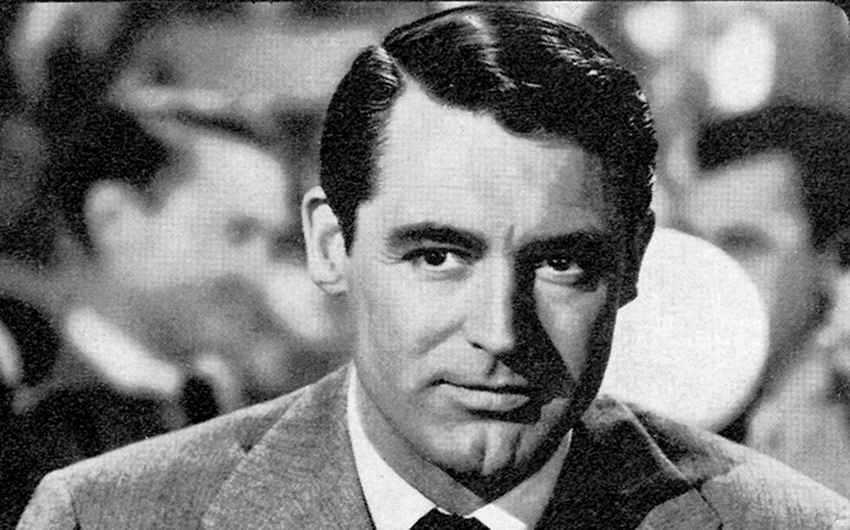
Cary Grant remains one of the most admired movie stars of all time, and this Cary Grant biography explains why his charm still feels fresh decades later. People often ask if he was truly as effortless as he seemed on screen, and the honest answer is no—his “natural” style was carefully built through hard work, reinvention, and sharp self-control. Behind the tuxedos and perfect timing was a boy from a tough background who taught himself how to become a legend.
Basic Facts About Cary Grant
- Full name: Cary Grant (born Archibald Alec Leach)
- Born: January 18, 1904 (Bristol, England)
- Died: November 29, 1986 (Davenport, Iowa, USA)
- Age at death: 82
- Height: Commonly listed around 6 ft 0 in (183 cm)
- Nationality: British-born; later became a U.S. citizen
- Known for: Sophisticated screen presence, comedic timing, romantic leads, Hitchcock thrillers
- Children: One daughter, Jennifer Grant
- Spouses: Five marriages (including Barbara Hutton and Dyan Cannon)
- Estimated net worth: Often reported around $50–$60 million at the time of his death (public estimates vary)
From Bristol to Reinvention: The Making of Archibald Leach
Before he was Cary Grant, he was Archibald Alec Leach, born into a working-class life in Bristol. His early years were shaped by insecurity and change, and that background helped form the self-contained, carefully managed image he later perfected. Even as a child, he was observant and alert—traits that would later become valuable tools in acting, where the best performers notice everything.
Grant’s upbringing wasn’t the glossy “born to be famous” story Hollywood sometimes likes to sell. It was the opposite. He learned early that stability could vanish and that a person sometimes had to build their own identity just to survive. That emotional pressure can either break someone or make them unusually determined. In Grant’s case, it did the second.
He found a way out through performance. Stage work offered him something Bristol life could not: movement, attention, applause, and the chance to become someone else for a while. That sense of escape mattered. Acting wasn’t only a career path for him—it was a life raft.
Vaudeville Training: Where the Timing Came From
Grant didn’t become “Cary Grant” by accident. His first major education came from the world of live entertainment, where you either hold an audience or you don’t. Vaudeville was demanding and unforgiving. If a bit fell flat, you couldn’t edit it later. You had to adjust in real time.
This is where Grant developed the core skills that later made him so magnetic on film: precise timing, body control, and the ability to make something look effortless even when it required serious discipline. His physical grace wasn’t just good genes—it was rehearsed, tested, and sharpened in front of crowds who could be tough to please.
Vaudeville also taught him an important lesson about persona. On stage, the audience doesn’t only watch what you do—they watch who you seem to be. Grant learned how to shape that “seeming” into something consistent: composed, confident, light on his feet, and always one step ahead of the room.
Arriving in America and Finding Hollywood’s Doorway
When Grant moved into American entertainment, he stepped into a country that was hungry for stars, especially ones who could offer glamour during difficult times. Hollywood was building its dream factory, and Grant had exactly what it needed: looks, charm, and a polish that read as “upper class” even though he hadn’t been born into it.
That is one of the most fascinating parts of his story. Grant’s screen identity suggested wealth and ease, but he built that identity from scratch. He studied accents, manners, posture, and delivery. He wasn’t only learning acting—he was learning presentation. In modern terms, he was mastering personal branding long before people used that phrase.
Once Hollywood saw what he could do, opportunities grew quickly. He began to land roles that showcased both romance and humor, and that blend became a major part of his appeal. Many actors can be handsome. Far fewer can be handsome and truly funny without looking like they’re trying too hard. Grant made it seem natural.
The Cary Grant Persona: Cool, Clever, and Carefully Controlled
People often describe Cary Grant as the definition of “smooth,” but that smoothness was a kind of art form. He learned how to project calm even when a scene demanded chaos. He could play flustered without losing elegance. He could deliver a sharp line without becoming harsh. He could flirt without becoming slimy. That balance is hard, and it’s a big reason his films still work.
Grant also had a special gift for reacting. In comedy, reactions are often the joke. A raised eyebrow, a half-smile, a quick glance—Grant knew how to use small movements to get big results. He made the audience feel like they were in on something with him, even when his character was technically confused or trapped.
That persona wasn’t only for laughs. It became powerful in suspense films too, because a calm character under pressure is compelling. When someone polished begins to crack, the audience leans in. Grant understood that, and he used it.
Classic Comedies and Romantic Hits
Cary Grant’s film career includes a long list of classics, but what stands out is how often he made strong material even stronger. In screwball comedies, he could move at a rapid pace without losing clarity. He could trade lines with fast-talking co-stars and still feel like the center of the scene. He could play both the straight man and the clown depending on what the moment required.
One reason his romantic films worked so well is that Grant didn’t play romance as desperation. He played it as confidence with a human edge. He could be charming, but he could also be vulnerable. He could be the dream man without seeming fake, and that is rare. Even today, plenty of actors look great on camera but struggle to create warmth. Grant created warmth with restraint, not with overacting.
He also chose projects that allowed him to be more than a handsome face. Over time, he became known as someone with taste. That reputation mattered, because it turned him into a reliable star: if Cary Grant was in it, people assumed it would be worth seeing.
The Hitchcock Years: Suspense With a Smile
No Cary Grant biography feels complete without Alfred Hitchcock. Their collaborations helped define the “wrong man” thriller—the idea of an ordinary (or seemingly ordinary) person being pulled into danger and forced to fight their way out. Grant was perfect for this style because he looked like the last person trouble should happen to. Then trouble happened anyway.
What made him especially effective in thrillers was the contrast. Grant could be witty one moment and genuinely threatened the next. He could flirt, joke, and charm, then suddenly face real fear. That shift keeps viewers engaged, because it feels human. People do use humor to cope when they’re scared, and Grant made that believable.
His Hitchcock work also reinforced his status as a leading man with range. He wasn’t trapped in one genre. He could do comedy, romance, suspense, and drama, often without changing the core of his screen identity. That consistency is part of what made him iconic.
Awards, Recognition, and the Respect He Earned
Cary Grant was widely praised during his career, and he also received major recognition for his contribution to film. He was nominated for Academy Awards for Best Actor, and later received an Honorary Academy Award, which reflected what audiences and filmmakers already believed: his impact went beyond individual roles.
It’s important to understand what made Grant so respected. He wasn’t known for “big” acting in the dramatic, showy sense. His style was controlled, clean, and intelligent. That kind of acting can be overlooked in the moment because it doesn’t scream for attention, but it ages extremely well. When you watch him now, you see precision and craft, not just charisma.
Family Life and Marriages: The Private Man Behind the Public Star
Grant’s romantic life was often discussed, partly because his screen persona made people curious about the “real” him. He married five times, and his marriages became part of his public story. Yet even with headlines and gossip, Grant remained a private person in many ways. He liked control, and privacy was a form of control.
His best-known marriages included Barbara Hutton, a wealthy socialite, and later Dyan Cannon. With Cannon, he had his only child, Jennifer Grant. Fatherhood mattered deeply to him, and many people who studied his life believe becoming a dad softened him in ways the public didn’t always see.
It’s easy to turn celebrity marriages into entertainment, but Grant’s relationships also show something human: the difference between a public image and a private reality. Cary Grant was a master of image, yet he still faced the same challenges people face when they try to build a life with someone—trust, compatibility, and emotional safety.
Net Worth and How Cary Grant Made (and Kept) His Money
Cary Grant wasn’t only a successful actor—he was also smart about business. Stars of his era could earn enormous sums, but many also lost fortunes through bad deals or reckless spending. Grant was more careful than most. He treated his career like a long-term plan, not just a run of popularity.
Public estimates often place his net worth around $50–$60 million at the time of his death, though exact numbers are difficult to confirm because celebrity finances are not usually fully public. What’s clear is that Grant built wealth through top-tier film work, strong positioning as a premium star, and a reputation that kept him valuable year after year.
Later Years, Retirement, and Final Public Appearances
Unlike many stars who cling to the spotlight until it fades, Grant eventually stepped away. That choice fit his personality. He preferred control and quality, and retirement allowed him to protect the image he had built. When you think of Cary Grant today, you don’t picture him “past his prime.” You picture him at his best—sharp, stylish, and confident. That is not an accident. That is a legacy managed with intention.
In his later years, he remained a figure people wanted to see. He still drew attention simply by walking into a room. Even without making new films, his older films continued to play, and new generations kept discovering him. That is one of the strongest signs of true stardom: the work doesn’t die when the era changes.
Grant died in 1986 after collapsing before a public appearance in Iowa. The news shocked fans, but the broader story was already set. He had become more than a movie star. He was a symbol of a certain kind of Hollywood elegance.
Legacy: Why Cary Grant Still Matters
Cary Grant’s influence is everywhere, even if people don’t always notice it. His style shaped what audiences expect from leading men: humor without clowning, confidence without cruelty, romance without desperation. Many modern actors borrow from his tone—sometimes directly, sometimes without realizing it—because his screen presence became a template.
He also proved something important about reinvention. Grant was not born into privilege, yet he built a persona that looked like pure privilege. He did it through discipline, observation, and relentless refinement. That doesn’t make him “fake.” It makes him skilled. He created a character—Cary Grant—and then performed that character so well that the world believed it.
At the same time, his best performances still show humanity underneath the polish. That’s why his films hold up. You’re not only watching glamour. You’re watching craft. You’re watching a man who learned how to control a moment and share it with an audience.
Cary Grant remains timeless because he didn’t rely on trends. He relied on precision, charm, and a deep understanding of how to entertain people without ever seeming to strain.
image source: https://www.newyorker.com/magazine/1975/07/14/cary-grant-profile-pauline-kael