Miranda Bailey: The Unbreakable Heart of Grey Sloan’s Most Iconic Chief
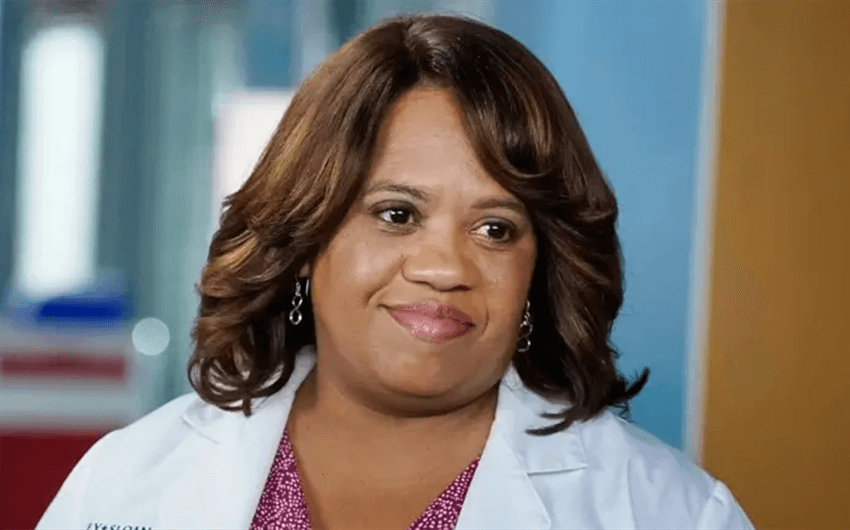
Miranda Bailey is the kind of character you don’t just watch—you lean on. In a world where hospital hallways are full of chaos, ego, and heartbreak, she became the steady pulse that kept everything moving. Fans know her as “The Nazi” (a nickname she outgrew and redefined), as a surgeon who doesn’t flinch under pressure, and as a leader who demands excellence because she believes lives are worth it. But what makes Miranda Bailey unforgettable isn’t only her skill with a scalpel. It’s her mix of toughness and tenderness, her ability to carry everyone’s mess without losing her own center, and her refusal to let the hospital swallow her whole.
If you’re searching “Miranda Bailey,” you’re likely trying to understand why she became such a pillar on Grey’s Anatomy—or maybe you’re revisiting her story arcs, her relationships, and the moments that made viewers love her even when she was being brutally strict. Either way, Bailey’s legacy is bigger than any one storyline. She represents what happens when someone decides to be excellent, even when excellence costs.
Who Miranda Bailey Is in the Grey’s Anatomy Universe
Miranda Bailey is introduced as a surgical resident with a no-nonsense attitude, a sharp tongue, and an intimidating presence that instantly sets the tone. Early on, she’s framed as the rule enforcer—someone who protects the system by refusing to let interns treat medicine like a game. That’s why she gets the nickname “The Nazi.” It’s meant to be mocking, but it also reveals how powerful she is. Even in the early seasons, she’s the person everyone listens to.
What’s interesting is how the show slowly reveals that her strictness isn’t cruelty. It’s responsibility. She has standards because she knows what happens when people don’t have them. In surgery, mistakes don’t get edited out. They get buried.
The Evolution From “The Nazi” to a Beloved Mentor
Bailey’s most satisfying transformation isn’t a makeover or a personality shift. It’s a reframe. The audience starts by fearing her the way interns do. Then, as her layers unfold, viewers start understanding her:
- She’s strict because she’s protecting patients.
- She’s intense because she’s carrying the weight of being underestimated.
- She’s sharp because she’s surrounded by people who make reckless choices.
Over time, her mentoring becomes one of the emotional cores of the show. She doesn’t just teach surgery. She teaches survival. She teaches professionalism. She teaches interns that talent without discipline is dangerous.
And even when her delivery is harsh, her intention usually comes from a place of care. She wants people to be better because she believes they can be better.
Bailey’s Surgical Skill: Excellence Without Showboating
Some characters on medical dramas are written like superheroes—grand speeches, dramatic saves, constant “genius” branding. Bailey’s competence is different. It’s practical. It’s grounded. She doesn’t need to announce her brilliance. She demonstrates it.
Her surgical identity has always felt believable because she’s not trying to win popularity contests. She’s trying to win outcomes. She’s meticulous, prepared, and clear-headed under pressure. When a crisis hits, she moves like someone who has already rehearsed the worst-case scenario in her mind.
That quiet excellence made her the ideal contrast to more impulsive doctors. In a hospital full of risk-takers, Bailey is often the adult in the room.
Leadership: Why Bailey Was Always Destined to Become Chief
Bailey’s rise into leadership didn’t feel like a plot twist. It felt inevitable. From the beginning, she acts like someone who understands the entire hospital ecosystem, not just her own career. She worries about:
- patient safety
- training standards
- hospital reputation
- ethical boundaries
- team accountability
Those concerns are what separate a good surgeon from a real leader. A great surgeon can save a life. A great chief can create a system where hundreds of lives are saved because the standards are higher, the training is sharper, and the culture is safer.
Bailey also brings a different kind of leadership energy: she’s not trying to be “liked.” She’s trying to be right. That’s hard in a workplace full of strong personalities. But it’s also why she earns respect over time.
Miranda Bailey’s Emotional Life: Strength That Has to Be Earned
Bailey’s toughness often reads as confidence, but the show repeatedly reveals the cost behind it. She is a character who works too hard, carries too much, and rarely gets the same emotional support she gives others. That imbalance is one of her most relatable traits.
Her emotional life includes stress, fear, anger, grief, and moments of deep vulnerability—especially when the people around her don’t realize how much she’s holding. Bailey often functions as the “stable one,” which means everyone leans on her. But who does she lean on when she’s cracking?
This is where Bailey becomes more than a strong character. She becomes human. Strength isn’t a personality trait. It’s an ongoing decision, and Bailey has to make that decision every day.
Relationships: Love That Doesn’t Cancel Her Identity
Bailey’s romantic life matters because it shows how she negotiates intimacy without shrinking herself. She isn’t written as someone who abandons her ambitions for love, and she isn’t written as someone who treats love like a distraction. Instead, her relationships often highlight a real tension: how do you be deeply committed to medicine and also deeply committed to a person?
Bailey’s best moments in love happen when she’s allowed to be fully herself—ambitious, stubborn, protective, and intense—without being punished for it. She doesn’t need someone to “tame” her. She needs someone to respect her.
And that’s a powerful message because so many female characters in TV history are softened to make them more palatable. Bailey refuses that. She remains complicated.
Mental Health and Vulnerability: The Bailey Viewers Don’t Forget
One of Bailey’s most important arcs involves mental health—especially the way stress and trauma can manifest even in the most competent people. She is a doctor, a leader, and a mentor, yet she is not immune to anxiety or overwhelm. That’s part of what makes her story resonate: she proves that being “strong” doesn’t protect you from breaking.
Bailey’s vulnerability matters because it avoids the common TV lie that strong people never struggle. Instead, her story suggests something more honest: strong people struggle constantly, and they keep going anyway. They seek help. They learn coping strategies. They recover. And they keep doing their job even while carrying pain.
Why Fans Love Her Even When She’s “Too Much”
Bailey can be strict, blunt, stubborn, and unforgiving. She can also be warm, funny, protective, and deeply loyal. Fans love her because she feels like a real person you’d actually meet at work—someone who might scare you at first, then become the person you trust the most once you realize how much she cares.
She’s also one of the show’s most consistent moral compasses. Not perfect, but consistent. When other characters spin out into selfish decisions, Bailey often represents the voice of consequence. She asks the questions people don’t want to answer:
- Is this ethical?
- Is this safe?
- Is this responsible?
- Who pays the price if you’re wrong?
That grounding energy is why she became essential. She’s the character who keeps the hospital from becoming a playground.
Miranda Bailey’s Legacy: A Character Built to Last
In long-running shows, characters often become exaggerated versions of themselves over time. Bailey’s strength is that she evolved without losing her essence. She grew from a feared resident into a respected leader, but the core remained: the belief that medicine is serious, training matters, and people deserve the best from you.
Her legacy is also cultural. Bailey became an iconic representation of a Black woman in a position of authority who didn’t need to be softened to be loved. She is allowed to be strict. She is allowed to be brilliant. She is allowed to be flawed. And she is allowed to lead.
That combination—authority, depth, humor, vulnerability, and resilience—is what made her one of the most important characters in the show’s entire history.
The Bottom Line
Miranda Bailey isn’t just a fan-favorite character. She’s the backbone of an entire fictional hospital. She represents discipline, competence, and leadership, but also the emotional cost of carrying everyone else. Her story resonates because it shows that being strong isn’t about never falling apart—it’s about rebuilding yourself while the world still expects you to perform. Whether you remember her as “The Nazi,” as a mentor, or as Chief, the truth is the same: Miranda Bailey is unforgettable because she makes strength feel real.
image source: https://www.charactour.com/hub/characters/view/Miranda-Bailey.Greys-Anatomy