Rick Ross Net Worth in 2026: Music Money, Businesses, and Real Assets
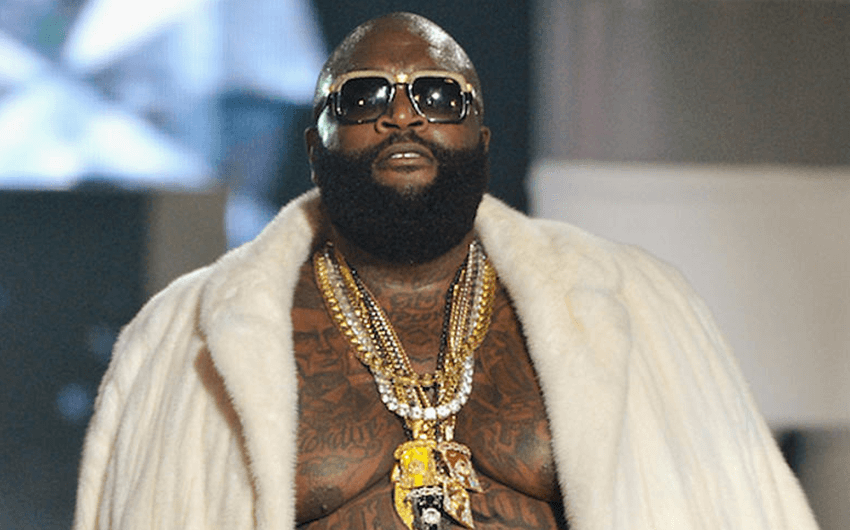
Rick Ross net worth is a constant search because his lifestyle looks larger than life—luxury cars, massive property, and a brand that feels bigger every year. The short answer is that his wealth doesn’t come from rap alone anymore. It’s built from music royalties, touring, business ownership, and high-visibility partnerships that have turned him into a full-scale entrepreneur.
Approximate net worth (2026): $140 million to $180 million.
Why Rick Ross’s Wealth Hits Different Than Most Rappers
Plenty of artists get rich during their peak album years, then fade when the radio moves on. Rick Ross is a different type of case because his public identity evolved from “rapper with hits” to “boss with assets.” Even if you don’t follow every album rollout, you still hear his name in conversations about business, property, and brand building.
That shift matters. Net worth grows fastest when income isn’t tied to one lane. A big tour check is great, but ownership—of companies, property, royalties, and long-term deals—is what turns fame into lasting wealth. Ross has spent years positioning himself like someone who wants money to keep coming in even when the music cycle slows down.
What Net Worth Actually Means for Someone Like Rick Ross
Net worth is not the same as yearly earnings. It’s the value of what someone owns minus what they owe. For Rick Ross, that can include:
- Assets: cash, investments, real estate, business ownership, music royalties, vehicles, collectible assets
- Liabilities: mortgages, business loans, taxes owed, legal obligations, operational expenses
This is why net worth estimates vary. Ross might have a year where income spikes because of touring or a big partnership. But net worth depends on how much of that income becomes an asset that holds value—like property, equity stakes, or royalty streams.
Music Earnings: The Foundation That Still Pays
Rick Ross’s first wealth engine was music, and that engine doesn’t just turn off. Even when an artist isn’t releasing constant chart-toppers, they can keep earning from:
- album sales and catalog revenue
- streaming royalties
- publishing income (songwriting and composition rights)
- features and guest verses
- licensing placements (films, TV, ads, sports programming)
One of the most underrated parts of a long career is catalog power. When an artist has a deep discography, their music becomes a library that earns repeatedly. Streaming made that even more important because fans can rediscover older tracks at any time—and the artist still gets paid.
Ross has also been a frequent collaborator. Features can bring large upfront payments and keep an artist culturally relevant, which then feeds streaming numbers, booking demand, and brand interest.
Touring and Performances: High Cash Flow, High Overhead
Touring is often where artists make the largest single chunks of money in a short period. Even without a stadium-level tour every year, performances can generate strong income through:
- concert appearances
- festival bookings
- club and event performance fees
- international shows and special engagements
But touring also has serious costs: staff, travel, production, security, and management percentages. Performance money can be huge, but the “real number” is what’s left after the machine is paid. The artists who turn touring cash into investments tend to build long-term wealth faster than the ones who spend it like it’s guaranteed forever.
MMG and Label-Adjacent Income
Rick Ross’s business identity is closely tied to building talent and operating as an executive presence. Label-related income can come from:
- profit participation in signed artists’ success
- executive and brand-building roles
- publishing and licensing leverage through a broader catalog
Even when a label venture isn’t the primary source of wealth, it can expand influence and open doors to other money moves. Being seen as a boss changes how people approach you: brands, investors, and partners treat you like someone who can move markets, not just someone who can sell records.
Brand Deals and Sponsorships: The “Cultural Symbol” Effect
Rick Ross is extremely marketable because he embodies a specific image: luxury, confidence, and aspiration. Brands pay for association with that image. Sponsorship income can include:
- campaign fees for ads and appearances
- long-term ambassador arrangements
- equity-based partnerships (where a celebrity receives ownership, not just cash)
- social media promotions and event hosting
The biggest difference between average celebrity endorsements and high-end celebrity endorsements is leverage. When a celebrity can truly move product or shape culture, the deal structures become more favorable—sometimes including backend participation or business ownership rather than one-time checks.
Business Ownership: Where Rick Ross’s Net Worth Really Expands
Music made Ross rich. Business has likely made him wealthy.
Ownership is the key because it can create:
- recurring revenue streams
- equity value that grows over time
- income that doesn’t depend on touring schedules
- assets that can be sold or leveraged later
Ross is widely associated with multiple business ventures and franchise-style moves. Franchise ownership is a particularly interesting wealth builder because it’s not purely “celebrity branding.” It’s operating real locations, hiring staff, managing costs, and collecting profit like a traditional business owner.
That matters because it changes the shape of wealth. An artist who owns businesses can keep earning during quiet music years. Over a decade, that stability can compound into a much larger net worth than music alone would create.
Real Estate: The Visible Asset That Tells a Bigger Story
Real estate is one of the most obvious pieces of Rick Ross’s wealth because it’s public-facing. Properties are also one of the most powerful tools for building net worth because they can:
- appreciate over time
- create equity even while being used as a home or business hub
- serve as collateral for financing or business expansion
- function as long-term wealth storage
Ross is known for owning large, high-profile property, and that matters because big land and estate-style real estate can hold serious value. Even if real estate is expensive to maintain, it’s often the kind of asset that anchors a net worth figure—especially when purchased at the right time and held long enough.
Royalties and Publishing: The Quiet Million-Dollar Stream
Royalties are the kind of money that can change your life while being invisible to the public. Music royalties may include:
- streaming payouts
- radio performance royalties
- publishing royalties
- sync licensing income
Ross’s catalog has been active for years, which means royalty streams can remain meaningful. The artists who own more of their rights generally build more wealth long-term. Even when an artist doesn’t own everything, a large catalog can still generate significant recurring income.
That recurring nature is important. A rapper can go three years without a major album and still earn constantly through catalog plays, features, and licensing. That’s a major reason why long careers often translate into substantial net worth figures.
Cars, Jewelry, and Lifestyle Assets: Value vs. Flex
Ross’s lifestyle is part of his brand—luxury cars, jewelry, and big-ticket purchases are often shown publicly. Some of those items hold value well, while others lose value quickly. In net worth terms:
- Some assets retain value: certain collectibles, rare vehicles, and high-end items in good condition
- Some assets depreciate: many cars, many luxury purchases, and anything tied to trends
It’s easy to assume that flashy spending means someone is “wasting money,” but in entertainment, lifestyle can function as marketing. The image can help secure partnerships, keep audience interest, and strengthen the “boss” identity that makes business deals easier to land.
The real question isn’t whether he spends. The question is whether the spending is balanced by ownership and investment. Ross’s public persona suggests he’s been focused on ownership for years, which is why his net worth estimates remain high.
Expenses That Can Quietly Eat Millions
Even wealthy celebrities face massive expenses that the public rarely counts. Those can include:
- taxes (often one of the biggest drains)
- management and agent percentages
- security and privacy costs
- business overhead across multiple ventures
- property maintenance, staff, and insurance
- travel, lifestyle commitments, and brand-related spending
This is why a rapper can earn an eye-popping amount over a career and still have a net worth that looks “lower than expected.” The machine costs money to run. The artists who keep building assets while funding the machine are the ones who end up with the biggest long-term numbers.
So What Is Rick Ross Net Worth in 2026?
Based on his long-running catalog, touring ability, continued cultural relevance, significant business activity, and real estate footprint, Rick Ross’s wealth is best estimated in a strong high range compared to many peers.
Approximate net worth (2026): $140 million to $180 million.
This range makes sense because his net worth likely reflects more than “music money.” It reflects ownership and asset-building—especially the combination of royalties, real estate, and ongoing business ventures.
What Could Push His Net Worth Higher Over Time
If Ross continues doing what he’s already been doing—building ownership rather than just chasing checks—his net worth could keep rising even if he slows down musically. The biggest factors that typically increase a celebrity entrepreneur’s wealth include:
- growing profitable businesses with predictable cash flow
- holding valuable real estate long-term
- expanding equity-based partnerships instead of one-off endorsements
- maintaining catalog relevance through smart releases and collaborations
In other words, his net worth isn’t locked to his next album. It’s tied to the ecosystem he’s built.
The Bottom Line
Rick Ross net worth in 2026 is best understood as the result of a long music career turned into a business empire. His wealth comes from catalog royalties and performances, but the biggest driver is likely ownership—real estate, business ventures, and brand leverage that continues to produce income beyond the music cycle. With that structure in mind, a realistic estimate places his net worth at about $140 million to $180 million, reflecting both celebrity earnings and the deeper value of assets built over time.
image source: https://thedrop.fm/top-rick-ross-songs/